
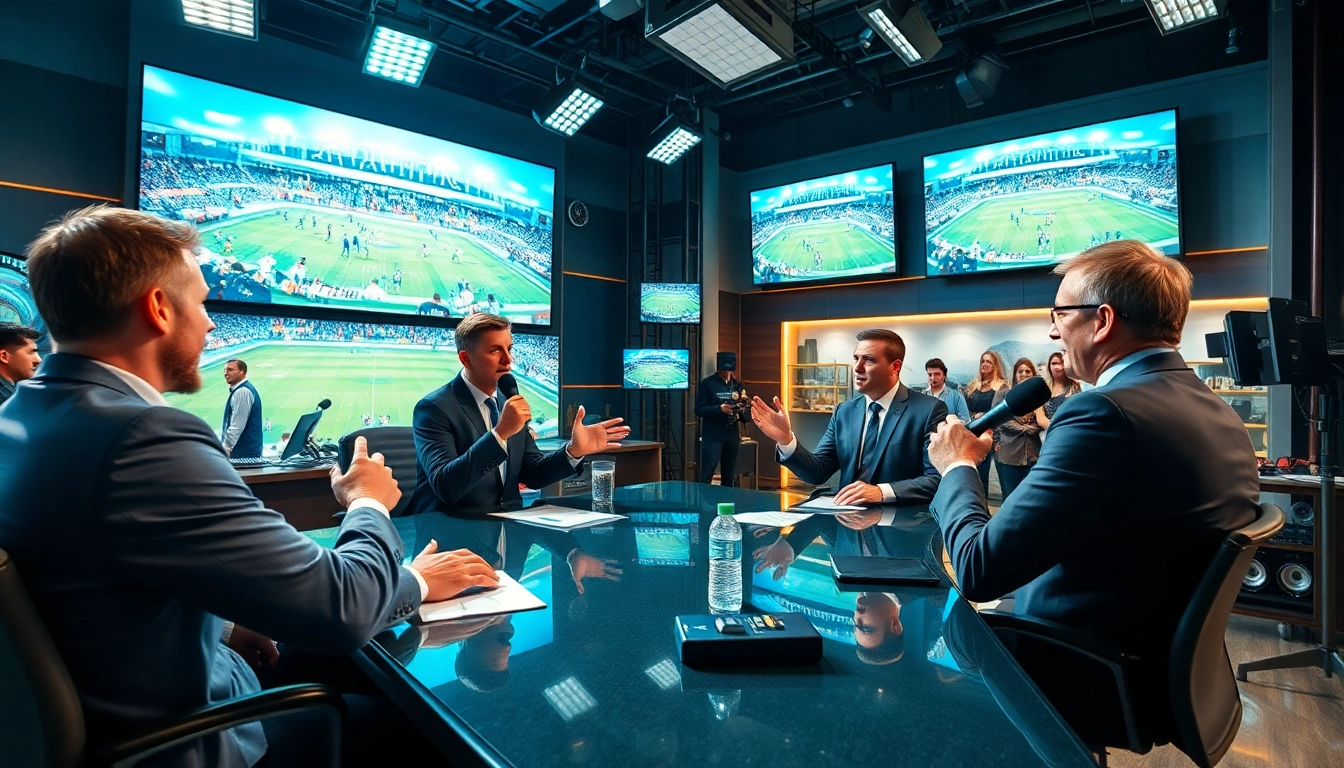
Understanding Sports Broadcasting
Sports Broadcasting has become a cornerstone of the global sports industry, offering fans unparalleled access to their favorite events, athletic performances, and player narratives. This dynamic field goes beyond mere transmission of games; it incorporates storytelling, engagement, and emotional connection. Understanding the intricacies of Sports Broadcasting allows both professionals and enthusiasts to grasp its evolution, economic impact, and future potential.
The Evolution of Sports Broadcasting
Since its inception, sports broadcasting has undergone transformative changes fueled by advancements in technology and shifts in viewer preferences. In the early days of radio, sports fans gathered around wireless sets to listen to live commentary. The transition to television in the 1950s heralded a new era, introducing a visual medium that brought the excitement of sports into living rooms across America and beyond.
The late 20th century witnessed significant developments with the advent of cable television, leading to the creation of dedicated sports channels. These channels reshaped how networks presented sports content, offering not only live events but also specialized programming such as highlights, analysis, and documentaries. The rise of the internet in the late 1990s added another layer, enabling live streaming and creating a digital interface for fans. Today, as we navigate a world dominated by high-speed internet and mobile technology, sports broadcasting continues to evolve, integrating virtual reality and augmented reality experiences.
Key Components of Sports Broadcasting
Successful sports broadcasting encompasses several key components that collectively enhance the viewing experience:
- Production Quality: High-definition video quality, well-planned camera angles, and competent sound design are crucial for audience immersion.
- Commentary and Analysis: Expert commentators provide insights, narrative context, and real-time analysis, enriching viewer understanding.
- Graphics and Statistics: Infographics, live stats, and visual enhancements are used to convey data effectively, making broadcasts more informative.
- Interactive Features: Live polls, social media integration, and fan engagement tools enhance interactivity and participation during broadcasts.
The Role of Technology in Sports Broadcasting
Technology plays a pivotal role in transforming how sports are broadcasted and consumed. Innovations such as high-definition streaming, multi-camera angles, and drone footage elevate the spectator experience. Moreover, artificial intelligence is increasingly being utilized to enhance analysis and commentary, allowing broadcasters to deliver richer content.
In addition, virtual and augmented reality technologies offer fans immersive viewing experiences that replicate the thrill of being at the game live. These advancements are not only reconfiguring how broadcasters operate but also altering audience expectations regarding engagement.
Engaging Audiences through Sports Broadcasting
In a competitive media landscape, engaging audiences is more critical than ever. Broadcasts not only need to attract viewers but also retain them through innovative content strategies.
Impact of Live Events on Audience Engagement
Live sports events are unique in their ability to generate collective experiences, drawing viewers together regardless of geographical boundaries. The emotional investment fans have in their favorite teams fuels a heightened engagement level. Integrating live events with real-time interactions, such as live-tweeting and viewer polls, enhances this sense of community.
Moreover, exclusive live content, such as pre-game shows, post-match analyses, and behind-the-scenes coverage, can help maintain audience interest from start to finish. These elements create a more holistic engagement, further solidifying the connection between broadcasters and viewers.
Strategies for Creating Interactive Content in Sports Broadcasting
The advent of digital platforms has led to new opportunities for creating interactive content, allowing spectators to engage more dynamically than traditional viewing formats. Broadcasters can utilize social media to create fan-friendly environments, encouraging interaction through comments, shares, and reactions during live broadcasts.
Incorporating gamification elements, such as fantasy leagues or interactive quizzes during games, can significantly enhance viewer participation. These methods not only help retain viewers but can also increase advertisement value by providing brands with substantial engagement metrics.
Leveraging Social Media for Sports Broadcasting
Social media has become indispensable in sports broadcasting, serving as a conduit for engagement and brand promotion. Platforms like Twitter, Facebook, and Instagram provide broadcasters with ways to connect with audiences on a personal level, sharing highlights, behind-the-scenes footage, and athlete interviews.
The immediate feedback loop between broadcasters and fans allows for rapid responses to viewer sentiment, helping refine strategies in real-time. Additionally, leveraging influencers and athletes as brand ambassadors on social media can amplify reach and cultivate a broader audience.
The Economics of Sports Broadcasting
The financial landscape of sports broadcasting is intricate, characterized by numerous revenue streams, advertising partnerships, and smart financial planning.
Revenue Models in Sports Broadcasting
The sports broadcasting industry primarily relies on a mix of revenue models. Subscription fees, advertising revenue, and licensing agreements comprise the bulk of financial inflows for media organizations. For example, networks may charge cable companies for the rights to showcase live sports, and advertisers are willing to pay a premium to reach captivated audiences during high-profile events.
In addition, new models, such as pay-per-view for exclusive content, have emerged, particularly for high-demand events like championships and boxing matches. Understanding and diversifying these revenue avenues is essential for broadcasters aiming to remain profitable.
Advertising and Sponsorship in Sports Broadcasting
Advertising remains a cornerstone of the economic structure of sports broadcasting. Advertisers are drawn to the high viewership stakes, especially during prime sporting events, making it vital for broadcasters to curate appealing ad slots. Sponsorships add another layer, where brands align themselves with teams, competitions, and individual athletes to enhance visibility and brand association.
Both advertisers and sponsors seek creative integrations, leading to branded content opportunities that resonate with audiences, such as athlete endorsements and product placement during broadcasts.
Challenges Facing Sports Broadcasting Budgets
Despite the revenue potential, sports broadcasting faces budgetary challenges, especially regarding cost management. Rising rights fees for broadcasting quality content are a significant concern for networks. Consequently, companies need to allocate funds wisely, investing in technology, talent, and promotional efforts to maximize audience engagement while maintaining profitability.
Additionally, adapting to changing viewer habits, such as the shift to on-demand content, necessitates strategic budgeting to ensure plans stay relevant and effective.
Best Practices for Sports Broadcasting Professionals
Success in the sports broadcasting arena not only depends on skills and technical knowledge but also on ethical conduct and personal branding.
Ethical Considerations in Sports Broadcasting
Ethical standards are paramount in the sports broadcasting industry. Professionals must uphold integrity by accurately representing information and avoiding sensationalism. Additionally, issues such as the portrayal of athletes and respect for privacy must always be prioritized.
Promoting diversity and inclusion within broadcasts is essential for fostering a positive environment in the industry, ensuring that content appeals to diverse audiences. Broadcasters should consciously examine the narratives they promote, ensuring they inspire rather than discriminate.
Training and Skill Development for Sports Broadcasters
The competitiveness of sports broadcasting necessitates continuous education and skill refinement. Aspiring broadcasters should seek formal training in journalism, communications, or media production. Furthermore, engaging in internships and practical experiences can significantly enhance skill acquisition. Broadcasters should also stay updated on technological advancements to remain competitive.
Workshops and seminars offer valuable insights into industry trends, while networking with established professionals provides critical mentorship opportunities. The focus must remain on honing skills, from storytelling and commentary to technical proficiency in multi-platform broadcasting.
Building a Personal Brand in Sports Broadcasting
Establishing a personal brand is an effective strategy for sports broadcasters looking to stand out. Authenticity and expertise should be at the forefront of this branding process, using social media platforms as a means to showcase one’s unique perspective and knowledge.
Engaging with fans, sharing stories, and creating unique content can massively enhance visibility. Additionally, collaborations with other sports personalities can amplify exposure and foster a broader audience base. All of these efforts contribute to a broadcaster's reputation, setting the stage for long-term success in the industry.
The Future of Sports Broadcasting
As we look to the future, sports broadcasting is poised for dramatic evolutions, influenced by innovative technologies and shifting consumer behaviors.
Innovative Technologies Shaping Sports Broadcasting
Emerging technologies are fundamentally changing how sports are broadcasted. Developments in 5G technology promise to enhance content delivery, allowing broadcasters to provide high-quality streams with minimal latency. Automated production technologies, such as AI-driven cameras, will streamline processes and potentially reduce costs, benefiting smaller networks.
Additionally, blockchain technology is making waves by enhancing rights management, allowing for more transparent contracts and potentially transforming payment structures between rights holders and broadcasters.
Trends to Watch in Sports Broadcasting
Several critical trends are shaping the future of sports broadcasting. The ongoing integration of eSports into traditional sports forums is creating new dynamics and attracting younger audiences. Similarly, personalized streaming and on-demand viewing options are becoming standard, leading broadcasters to adapt swiftly to meet user expectations.
Furthermore, the focus on sustainability and corporate responsibility will likely influence content creation, with fans increasingly gravitating toward brands that align with their values.
Preparing for the Next Generation of Sports Broadcasting
As the media landscape continues to transform, it is imperative that sports broadcasters remain adaptable. Continuous learning, embracing technological advances, and understanding audience demographics are vital components for success. Future broadcasters should prioritize innovation, ensuring that they can deliver engaging and high-quality content in a way that meets evolving viewer demands.
Frequently Asked Questions
What is sports broadcasting?
Sports broadcasting involves the transmission of live sports events, commentary, and analysis to audiences, utilizing various media platforms like television, radio, and online streaming.
How has technology influenced sports broadcasting?
Technology has revolutionized sports broadcasting by enabling high-definition streaming, interactive content, and virtual reality experiences, enhancing viewer engagement.
What are common revenue models in sports broadcasting?
Primary revenue models include subscription fees, advertising revenue, licensing agreements, and pay-per-view streaming for exclusive content.
How can social media enhance sports broadcasting?
Social media fosters audience engagement by providing real-time interaction opportunities, sharing highlights, and creating platforms for viewer feedback during broadcasts.
What skills do sports broadcasters need?
Key skills include effective communication, storytelling, technical knowledge in media production, and an understanding of audience engagement strategies.